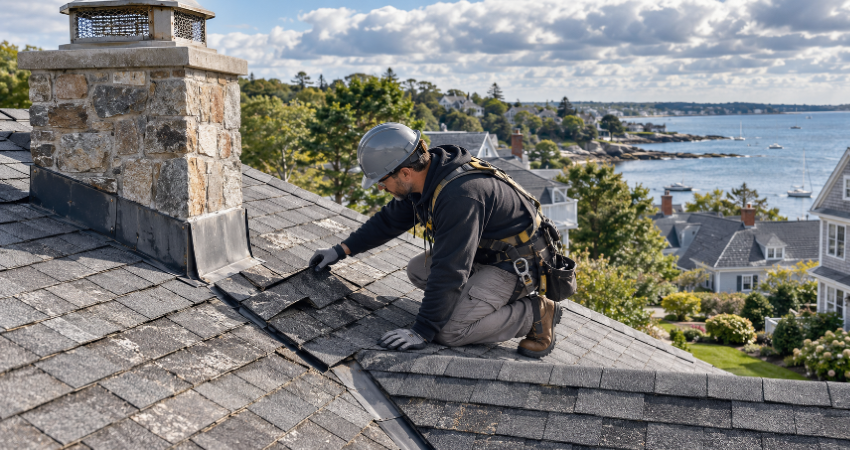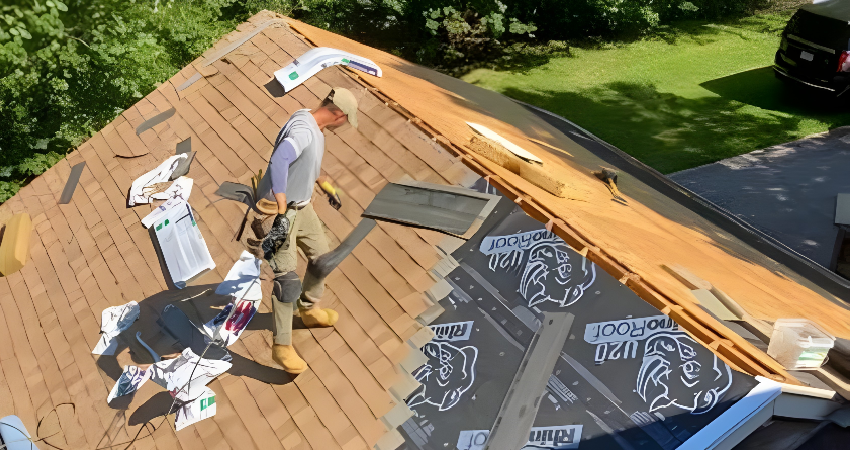
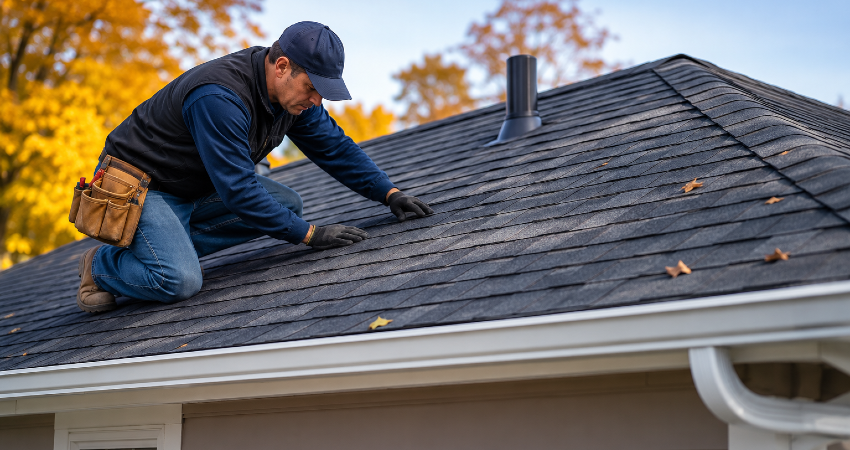
Connecticut weather doesn’t make life easy for your roof. Between heavy snow, ice dams, coastal salt air, spring storms, and humid summers, your roof faces four very different sets of challenges every year – and each season demands a different response.
The good news is that a consistent, seasonal approach to roof maintenance is one of the most effective ways to extend your roof’s lifespan, prevent costly repairs, and protect your home year-round.
This guide walks Connecticut homeowners through exactly what roof maintenance looks like in each season, and what you can do to stay ahead of problems before they become expensive.
Why Seasonal Roof Maintenance Matters in Connecticut
Most roofing problems don’t happen overnight. A leak that shows up in February was probably caused by damage or deterioration that started months earlier. A shingle that blows off in a spring storm may have been cracked since the previous summer.
For Connecticut homeowners specifically, the climate adds urgency. Freeze-thaw cycles are hard on roofing materials. Ice dams are a recurring threat. Coastal properties face salt air corrosion. And the wet New England springs create ideal conditions for moss, algae, and moisture-related damage.
A roof that gets regular attention will consistently outlast one that doesn’t – often by a decade or more.
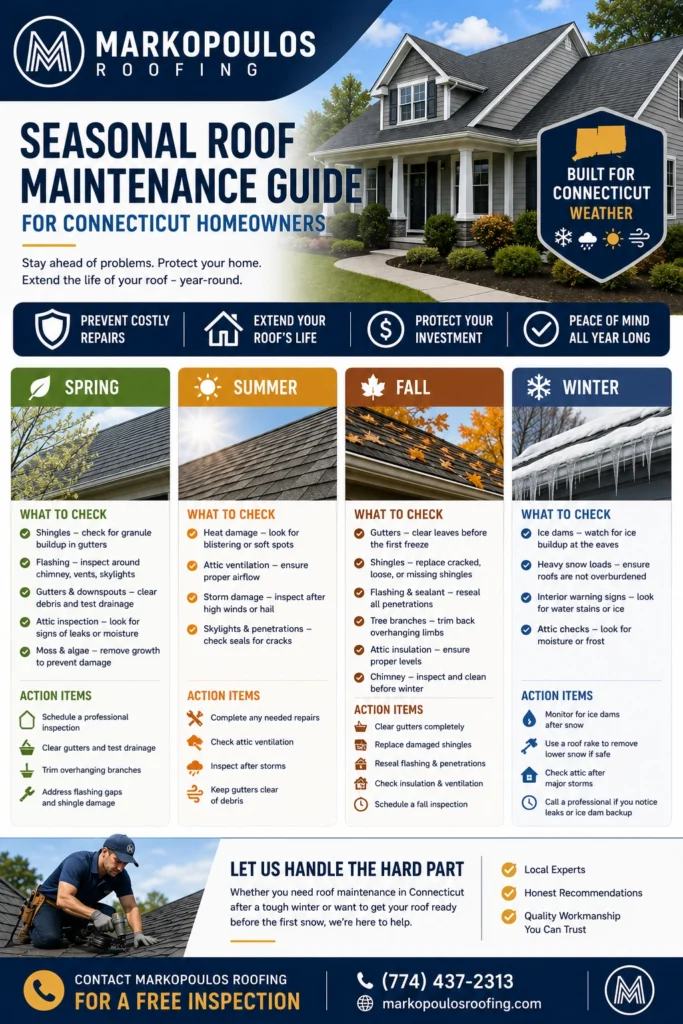
Spring: What to Check
Shingles — You may notice granule buildup in your gutters after winter – that’s a sign your shingles are aging.
Flashing — The metal strips around your chimney, vents, skylights, and roof edges are common entry points for water. After months of freeze-thaw movement, flashing can lift, crack, or pull away from the surface. Even small gaps in flashing can allow significant water intrusion.
Gutters and downspouts — Spring cleaning starts with your gutters. Clear out any debris that built up over winter, check that gutters are securely attached and pitched correctly toward the downspouts, and run water through them to confirm there are no blockages or leaks.
Attic inspection — Go inside your attic after the first heavy spring rain. Look for signs of water intrusion: staining on the decking, damp insulation, or any light coming through from outside. If you see any of these, it’s time to call a professional.
Moss and algae — Connecticut’s damp springs create ideal conditions for moss and algae growth. Dark streaks on your shingles are typically algae; soft, green patches are moss. Both trap moisture against the roof surface and accelerate deterioration.
Spring Action Items
- Schedule a professional inspection to document any winter damage before it worsens
- Clear gutters and test drainage
- Trim any overhanging tree branches that drop debris or shade the roof (which encourages moss)
- Address any flashing gaps or shingle damage promptly
Summer: What to Check
Heat damage — Extended heat can cause asphalt shingles to blister, warp, or soften. This is more likely on roofs with poor ventilation that allow heat to build up beneath the surface. If your attic is excessively hot in summer, it’s worth evaluating your ventilation.
Attic ventilation — A well-ventilated attic protects your roof from the inside out. In summer, it prevents heat buildup that damages shingles prematurely. In winter, it prevents the warm air that causes ice dams. Check that soffit and ridge vents are clear and functioning.
Storm damage — Connecticut summers bring thunderstorms, high winds, and occasional hail. After any significant storm, do a visual inspection from the ground. Look for displaced shingles, debris on the roof, or damage to flashing and gutters.
Skylights and penetrations — Summer is a good time to inspect skylights, pipe boots, and any other penetrations from inside and outside. The seals around these areas can dry out and crack in heat, creating entry points for water when fall rains arrive.
Summer Action Items
- Complete any repair work identified in the spring inspection while weather is favorable
- Check attic ventilation and address any airflow issues
- Inspect after thunderstorms for wind or hail damage
- Keep gutters clear of summer debris (leaves, seeds, twigs)
Fall: What to Check
Gutter clearing — This is non-negotiable. Clogged gutters in winter are a primary cause of ice dams. As leaves fall throughout October and November, your gutters can fill up quickly. Clear them completely before the first freeze – and check again after the last heavy leaf drop of the season.
Shingle condition — Any shingles that are cracked, loose, or missing need to be replaced before winter. A gap in your shingle layer in November becomes a water intrusion problem in January when snowmelt has nowhere to go but under your roof.
Flashing and sealant — Check all flashing, pipe boots, and sealant around penetrations. Cold temperatures cause these materials to contract, which can open up gaps that weren’t visible in summer. Resealing now is far cheaper than dealing with a winter leak.
Tree branches — Cut back any branches that hang over the roof. Heavy snow and ice can bring them down onto your roof, and even without that worst-case scenario, branches scrape shingles and deposit debris in your gutters all winter long.
Attic insulation — Adequate attic insulation keeps heat from escaping through your roof deck, which is what causes the snowmelt that leads to ice dams. If your insulation is thin or uneven, fall is the time to address it.
Chimney — If you use your fireplace or have a chimney, have it inspected and cleaned before winter. The chimney flashing is also worth a close look – it’s one of the most common sources of winter leaks.
Fall Action Items
- Clear gutters completely after leaves have fallen – at least once, ideally twice
- Replace any damaged or missing shingles
- Reseal flashing and penetrations
- Trim overhanging tree branches
- Check attic insulation and ventilation
- Schedule a professional fall inspection before the first hard freeze
Winter: What to Check
Ice dams — Ice dams form when heat escaping through the roof deck melts snow at the top of the roof. That water runs down toward the eaves, where it re-freezes and forms a dam. As more water backs up behind the dam, it can work its way under shingles and into your home.
Heavy snow loads — Connecticut occasionally gets significant snowfall that adds substantial weight to a roof.
Interior warning signs — Water stains appearing on ceilings or walls during or after a storm, or ice forming on interior walls near the roofline, are signs that water is getting in somewhere.
Attic checks — After significant snowfall, check your attic for any signs of moisture, frost on the underside of the decking, or daylight where there shouldn’t be any.
Winter Action Items
- Monitor the roofline for ice dam formation after snow events
- Use a roof rake to carefully remove snow from the lower few feet of the roof if safe to do so – never climb on an icy roof
- Check the attic after major storms
- Call a professional promptly if you notice interior water stains or signs of ice dam backup
Let Markopoulos Roofing Handle the Hard Part
Whether you’re due for roof maintenance in Connecticut after a tough winter or want to get your roof ready before the first snow, we’re here to help.